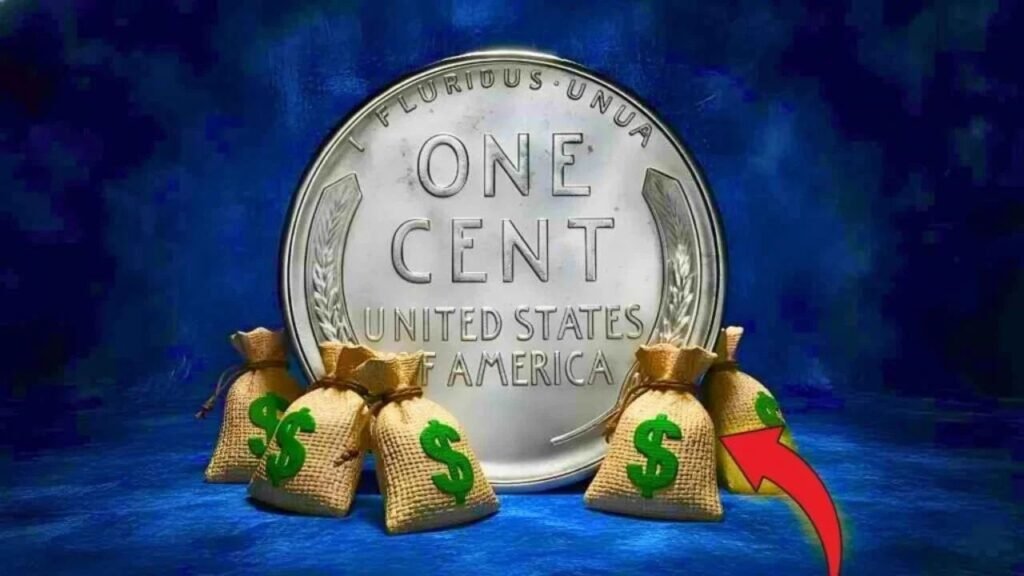
Wheat Penny Values : Have you ever found an old penny with two wheat stalks on the back? That’s a Lincoln Wheat Cent, and it’s a small piece of American history! These coins were made a long time ago, from 1909 all the way to 1958. On the front is Abraham Lincoln, and the wheat design on the back is why everyone calls it a “Wheat Penny.” Even though they look simple, these old coins are like tiny time machines, and many people love collecting them today.
Why Are Wheat Pennies More Popular Now?
In the last ten years, a lot of people have gotten into the fun hobby of coin collecting. Because more people want them, the value of many Wheat Pennies has slowly gone up. It’s a lot easier to find and sell coins now thanks to the internet and online auctions. When a lot of people want something, but there aren’t many left, the price usually goes up. So, a coin that was once worth just a few cents might now be worth a nice little pile of cash!
Wheat Penny Facts at a Glance
Here’s a quick table with the most important details about these classic coins. It’s like a cheat sheet to help you understand them better.
| Feature | Details |
|---|---|
| Years Made | 1909 – 1958 |
| Coin Designer | Victor David Brenner |
| Main Metal | Mostly Copper (tin and zinc) |
| Special 1943 Coin | Made of Steel (silver-colored) |
| Weight | About as heavy as a small paperclip (3.11 grams) |
| Width | Smaller than a dime? No, actually 19 mm (a bit smaller than a nickel) |
| Super Rare Coins | 1909-S VDB, 1914-D, 1922 No D |
| Famous Error Coin | 1955 Double Die (letters look doubled) |
| Common Value | Usually just 10 to 50 cents |
| Super Valuable Coins | Some rare ones can be worth over $1,000! |
The Super Rare Coins Everyone Wants
Some Wheat Pennies are like the superheroes of the coin world—they’re super rare and valuable! Collectors are always on the hunt for these specific ones. The 1909-S VDB is a big deal because not many were made, and it has the designer’s initials on it. The 1914-D is another tough one to find, which makes it worth a lot. Then there’s the famous 1922 “No D” penny, where the mint mark was accidentally left off. Finding one of these in an old jar would be like finding a hidden treasure!
Oops! When Mistakes Make Coins More Valuable
Did you know that mistakes at the mint can actually make a coin more special? It’s true! These are called “error coins.” The most famous one is the 1955 Double Die penny. If you look closely, you can see the letters and numbers in the date look blurry or doubled, like a double vision. Other cool errors are coins that were stamped off-center or have cracks in them. These mistakes make each error coin one-of-a-kind, and collectors love hunting for them because they are so different from normal pennies.
Tips for Young Coin Collectors
Starting your own Wheat Penny collection is easy and fun. Here are some simple tips to help you get started and become a smart collector:
- Start by looking closely: Check the year and the tiny letter (mint mark) right below the date. That’s the first clue to how special it might be.
- Keep them safe: Store your coins in a special folder or soft holders so they don’t get scratched or damaged.
- Be a detective: Use a magnifying glass to look for cool errors, like doubled letters or off-center designs.
- DON’T clean them! This is the most important rule. Cleaning an old coin can scratch it and make it less valuable to collectors.
- Look everywhere: You can find Wheat Pennies in your change, ask family members if they have old coins, or trade with friends.
Your Wheat Penny Questions, Answered!
Got questions? We’ve got answers! Here are some common things new collectors wonder about.
Q1: How can I tell if my old Wheat Penny is worth a lot of money?
First, look at the date on the coin. Then, check for a tiny “D,” “S,” or no letter at all under the date. Compare what you find with a list of rare dates online or in a coin book. If you think you have a rare one, ask a knowledgeable adult or a coin shop expert to look at it.
Q2: My grandpa gave me a 1943 penny that sticks to a magnet. Is it valuable?
That’s totally normal! In 1943, most pennies were made of steel with a thin layer of zinc to save copper for World War II. Steel is magnetic, so your coin is common. The super rare and valuable 1943 pennies are the ones accidentally made from copper, and they do not stick to a magnet.

Q3: What do the letters “D” and “S” stand for on a coin?
Those are mint marks, telling you which U.S. Mint facility made the coin. “D” stands for Denver, Colorado, and “S” stands for San Francisco, California. Coins with no mint mark were usually made in Philadelphia, Pennsylvania.
Q4: Is coin collecting a hobby for kids, or just for adults?
It’s definitely for everyone, and it’s a perfect hobby for kids! It’s like a treasure hunt where you can learn about history and art. You can start with just a few coins and grow your collection over time. It’s super fun.
Q5: Where can I actually find Wheat Pennies to collect?
Start by asking your parents or grandparents if they have any old coins in a jar or drawer. You can sometimes find them in rolls of pennies from the bank. Coin shops and online sites are also great places to look for specific ones you want for your collection.

Q6: Why is cleaning coins a bad idea?
Old coins develop a natural layer called “patina” that collectors like. Cleaning them with rough cloths or chemicals can scratch the surface and remove this natural finish. This almost always makes the coin less valuable, so it’s best to leave them just the way you found them.