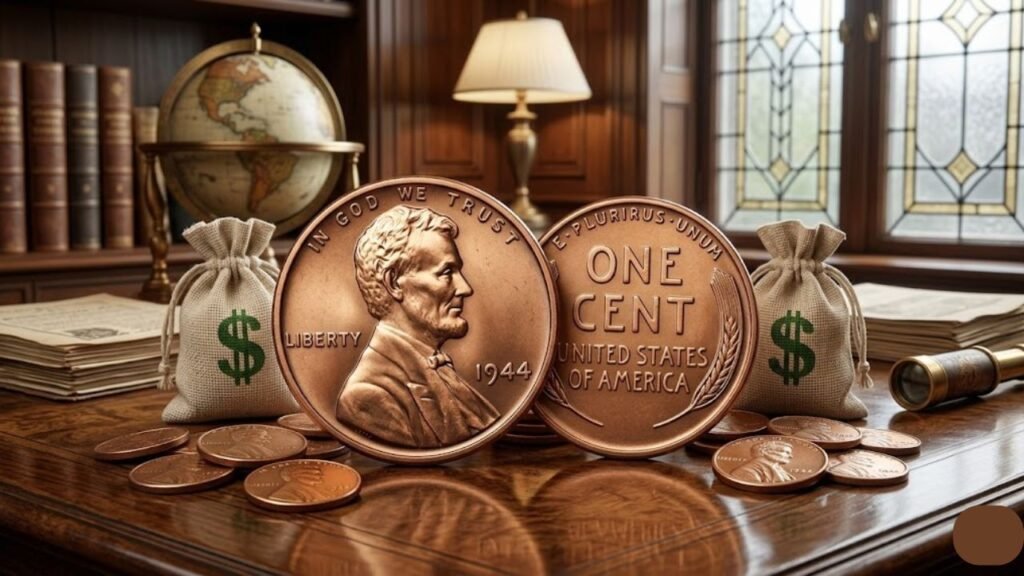
Rare Lincoln Wheat Penny Value 2026 : Have you ever found an old penny with wheat stalks on the back and wondered if it’s worth something? You’re not alone! The Lincoln Wheat Penny was made from 1909 to 1958, and millions of people collect them today. These coins show Abraham Lincoln on the front and two wheat stalks on the back, which is why collectors call them “Wheaties.” What’s cool is that some of these pennies are worth way more than one cent—we’re talking thousands of dollars! In 2026, more young people are getting into coin collecting, and prices for rare pennies keep going up.
A Quick History Lesson
Back in 1909, the US Mint wanted to do something special for Abraham Lincoln’s 100th birthday. They hired a guy named Victor David Brenner to design a new penny. It was a big deal because Lincoln was the first real person to appear on a US coin—before that, they only used imaginary figures like Lady Liberty. The government made these pennies for almost 50 years until they switched to the Lincoln Memorial design in 1959. During that time, some years had millions of pennies made, while others had very few. Some even had mistakes that make them super rare today. That’s why finding the right one can feel like winning a mini lottery!
Which Wheat Pennies Are Worth Big Money?
Here’s the exciting part—some Wheat Pennies are worth a ton of cash. The most famous ones had low production numbers or errors that slipped past the mint workers. If you find any of these in your grandma’s old coin jar, you might want to sit down before checking their value!
Complete Guide to Rare Lincoln Wheat Pennies
| Coin Variety | Year | Why It’s Rare | Approximate Value Range |
|---|---|---|---|
| 1909-S VDB | 1909 | Only 484,000 made with designer’s initials on back | $700 – $2,500+ |
| 1914-D | 1914 | Very few survived in good condition | $150 – $3,000+ |
| 1922 No D | 1922 | Denver mint mark missing by mistake | $500 – $15,000+ |
| 1931-S | 1931 | Low mintage of just 866,000 coins | $75 – $500+ |
| 1943 Copper | 1943 | Made on copper planchets by accident (should be steel) | $100,000 – $200,000+ |
| 1955 Double Die | 1955 | Letters and numbers look blurry/fat from double stamping | $1,000 – $15,000+ |
How to Tell If Your Penny Is in Good Shape
The condition of a coin—what collectors call “grade”—matters huge when it comes to value. Think of it like a video game: the better the condition, the higher the level and the more it’s worth.

- Poor to Good: You can barely read the date, and the coin is worn smooth
- Fine to Very Fine: Some wear but you can see most details clearly
- Extremely Fine: Looks almost new with just tiny signs of wear
- Mint State: Perfect condition like it just left the mint yesterday
- Red vs. Brown: Coins that kept their original red color are worth way more than brown ones
Professional companies like PCGS and NGC will grade your coin and put it in a sealed holder. This costs money but proves your coin is real and tells buyers exactly what they’re getting.
What’s Happening in the Coin World Right Now
The coin market in 2026 is pretty exciting! More teenagers and young adults are getting into collecting thanks to TikTok videos and YouTube channels about coin hunting. Auction houses say bidding wars happen all the time for the really rare stuff.
Even common Wheat Pennies are selling for a little more than before because copper prices are up and people love the history. The 1943 Copper Penny still makes news whenever one gets found or sold. Last year, one in okay condition sold for over $150,000 at auction!
Online marketplaces make it easier than ever to buy and sell, but watch out for fakes. Always buy from trusted sellers and ask for certification on expensive coins.

Tips for New Collectors
If you want to start collecting Wheat Pennies, here are some helpful tips to get you going:
- Check your pocket change – You won’t find Wheaties in circulation often, but older relatives might have jars of old coins
- Buy a red book – The “Guide Book of United States Coins” (called the Red Book) is like the bible for coin values
- Start with common dates – You can buy bags of wheat pennies online for cheap to practice grading
- Look for key dates – Memorize the rare years listed above so you don’t accidentally spend a valuable coin
- Handle carefully – Always hold coins by the edges, never touch the front or back with bare fingers
- Get a magnifying glass – You need to see small details and mint marks clearly
- Join a coin club – Many schools and communities have clubs where you can learn from older collectors
Frequently Asked Questions
Q: How can I tell if I have a rare 1943 copper penny?
A: First, check if a magnet sticks to it. Real 1943 pennies were made of steel and should stick to magnets. If it doesn’t stick and looks copper-colored, you might have something special! Take it to a coin dealer right away.
Q: What does “VDB” mean on some pennies?
A: Those are the initials of Victor David Brenner, the guy who designed the coin. They appear on the back near the bottom on some 1909 pennies. When they first put them on, people complained they were too big, so the mint removed them later that year.
Q: Where do I look for the mint mark on a Wheat Penny?
A: Look on the front (the side with Lincoln) under the date. A small letter D means Denver, S means San Francisco. No letter means it was made in Philadelphia.
Q: Should I clean my old pennies to make them look better?
A: NEVER clean coins! Cleaning scratches the surface and destroys the value. Collectors want original surfaces, even if they’re dark. Cleaning can turn a $100 coin into a $10 coin instantly.
Q: What’s the easiest rare Wheat Penny to find?
A: The 1944 steel penny (another error) and the 1955 double die are the ones people dream about finding. But honestly, most Wheat Pennies you’ll find are common dates worth just a few cents.
Q: Can I get rich collecting Wheat Pennies?
A: Probably not, but it’s a fun hobby! Most collectors do it because they love history and the thrill of the hunt. If you do find a rare one, consider it a bonus, not a retirement plan.
Final Thoughts
The Lincoln Wheat Penny proves that small things can have big value. Whether you’re hunting through old coin jars, starting a collection, or just curious about that old penny in your drawer, these coins connect us to American history in a cool way. Some people collect for fun, others hope to find treasure, and many do both. In 2026, Wheat Pennies are more popular than ever, and the next great find could be waiting anywhere—even in your own pocket change!